Quick answer
When essential equipment fails, the fastest New Zealand funding routes are an unsecured loan (same-day funding possible for smaller amounts) for repairs or a quick replacement, equipment finance for a standard replacement asset from a dealer, or a merchant cash advance for card-heavy businesses. For larger replacements, a property-secured loan is possible. Hire can bridge the gap while the permanent replacement is funded and delivered.
Key points
- Repairs: unsecured loan. Standard replacement: equipment finance.
- Hiring a replacement can protect revenue while you arrange the right finance.
- Check insurance before you borrow — a claim may cover part of it.
- New replacement assets may qualify for Investment Boost.
- Repairs
- Unsecured loan
- Standard replacement
- Equipment finance
- Stopgap
- Hire, funded short-term
- Tax note
- Investment Boost on qualifying new assets
What’s the real cost of the breakdown?
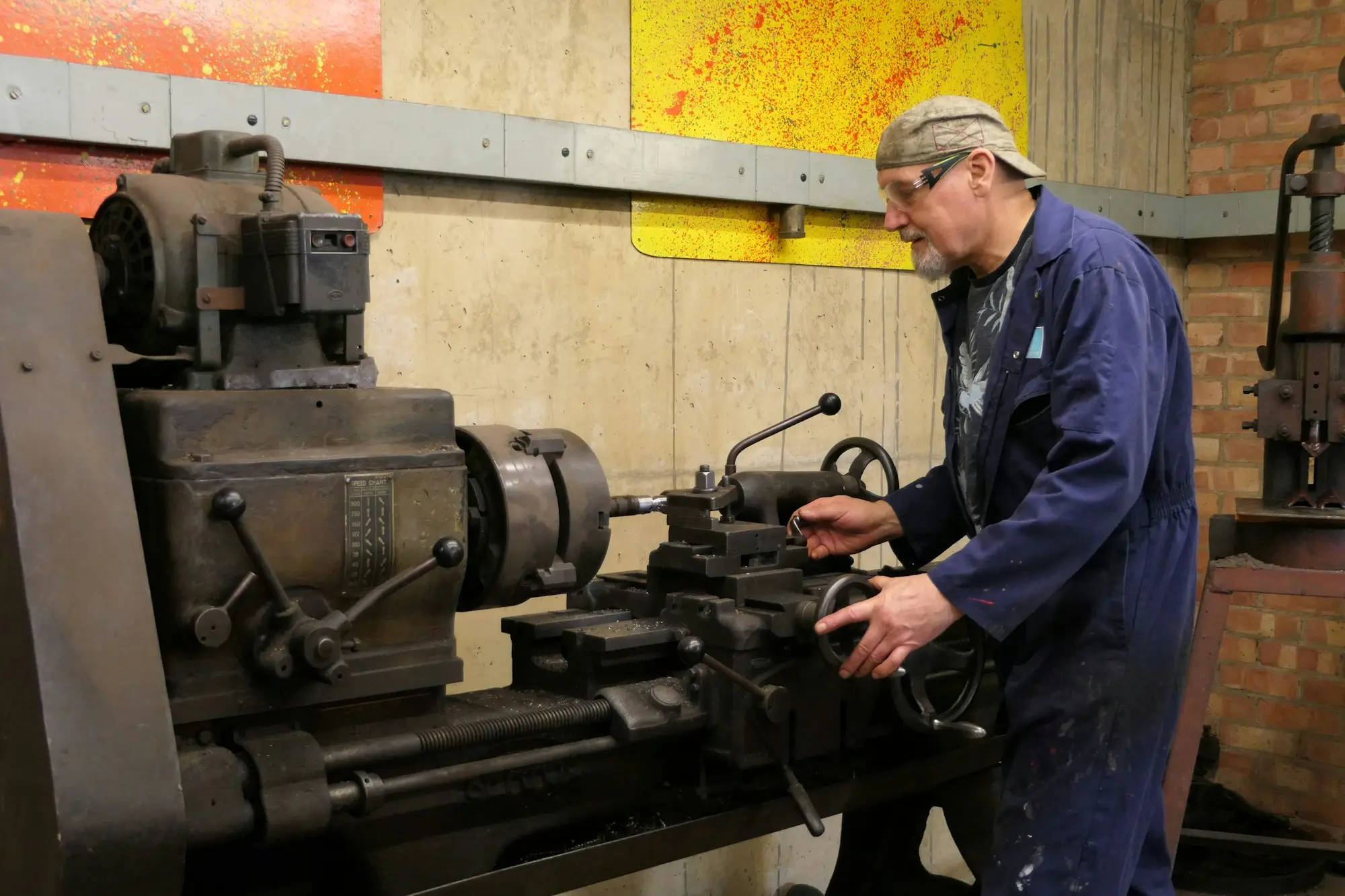
When the delivery truck won’t start, the oven dies on a Friday or the CNC machine throws an error you can’t clear, the repair bill is only part of the cost. The bigger cost is usually lost revenue: jobs you can’t do, orders you can’t fill, customers who go elsewhere. That’s why breakdowns justify fast funding more often than almost any other situation — and why the first question is “how do we keep trading?”, not “how do we pay for it?”.
What are the options, by scenario?
| Scenario | Fast option that often fits | Why |
|---|---|---|
| Repairable, under a few tens of thousands | Unsecured loan | No new asset to secure; same day possible for smaller amounts |
| Standard replacement in stock at a dealer | Equipment finance | Asset secures the loan; quick for standard items |
| Replacement weeks away | Hire now, finance later | Protects revenue while the right asset arrives |
| Card-heavy café, bar or shop | Merchant cash advance or equipment finance | Repayments from takings, or asset-secured |
| Large replacement, credit issues | Property-secured loan | $20k–$250k possible same day |
| Insurance claim pending | Short bridge loan | Repaid from the payout |
Repair or replace?
Ask four questions:
- What’s the repair cost versus replacement cost?
- How much life is left after the repair? A big repair on a machine near the end of its life can be money thrown after money.
- What’s the downtime for each? A same-week repair may beat a replacement that’s three months away.
- What are the tax effects? Inland Revenue says that from 22 May 2025, businesses can claim 20% of the cost of qualifying new assets upfront under Investment Boost, then depreciate the remaining 80%. Assets must be new or new to New Zealand and depreciable; New Zealand-sourced second-hand assets are excluded. That can tilt the numbers towards a new replacement — check with your accountant.
How do you keep trading while you sort it out?
- Hire. Many machines, vehicles and kitchen appliances can be hired short-term. The hire cost is often far lower than a week of lost revenue.
- Subcontract. Another business may be able to do the work for you temporarily.
- Reschedule. Move jobs that don’t need the equipment forward.
- Communicate. Tell key customers early; most will wait a little if they know what’s happening.
Hire and subcontracting buy time to choose the right finance rather than the fastest.
What does it look like in practice?
Illustrative example. An Invercargill commercial bakery’s main deck oven fails in the lead-up to Christmas. A replacement is available from a supplier in Christchurch within a week. The bakery hires a smaller oven for the gap, funded with a small unsecured loan, and arranges equipment finance on the new oven — secured by the oven itself — with delivery and installation the following week. Because the oven is new, the owner asks their accountant about Investment Boost.
Illustrative example. A Gisborne earthmoving operator’s excavator needs a $28,000 engine rebuild. There’s no new asset to finance, and the machine has years of life left. An unsecured loan funds the repair quickly, repaid over the following months from the contract the machine returns to.
What should you check before borrowing?
- Insurance. Machinery breakdown or business interruption cover may pay part of the cost or the lost income. A claim can take time, but a bridge loan repaid from the payout is often cheaper than a long-term loan.
- Warranty. Newer equipment may still be covered.
- PPSR, for used replacements. If you’re buying second-hand, search the Personal Property Securities Register first to make sure there’s no existing finance registered against the asset.
- The total cost in dollars of each funding option, including any deposit for equipment finance.
Which comparison should you read next?
If you’re deciding between asset finance and a general loan for the replacement, read equipment finance vs unsecured loan. The full product pages are equipment finance and, for card-heavy businesses, merchant cash advance. If the repair genuinely can’t wait until tomorrow, see same-day business loans.
Machine down right now? Tell us what you need and we’ll come back fast.
What does each option cost you in downtime?
| Route | Funding speed | Typical downtime driver |
|---|---|---|
| Repair, unsecured loan | Same day possible for smaller amounts | Parts and technician availability |
| Dealer replacement, equipment finance | Quick for standard assets | Delivery and installation |
| Imported replacement | Varies | Shipping and customs |
| Hire stopgap | Fast | Hire availability |
Funding is rarely the slowest step. Parts, technicians and delivery usually are — which is why hiring a stopgap often makes sense.
How do you avoid the next breakdown becoming a crisis?
- Keep a maintenance schedule and a short list of replacement suppliers.
- Set up a standby facility — a small line of credit — for exactly this kind of surprise.
- Plan replacements for ageing equipment before it fails, ideally timed for Investment Boost and quieter periods.
- Review insurance annually so you know what’s covered.
Get back to work quickly
Every day of downtime costs you, so we’ll focus on what gets you trading fastest — and on whether hire, repair or replacement makes most sense. Enquiring involves no credit check, and your details stay with one person rather than being sent to a list of financiers. Tell us exactly what’s broken, what the repair or replacement will cost and when you can get it, and we’ll match the funding to the fix. Start your application.
Frequently asked questions
Can I get finance to repair business equipment?
Yes. Repairs are usually funded with an unsecured loan, because there's no new asset for an equipment financier to secure. Same-day funding is possible for smaller amounts.
Is equipment finance fast enough for an emergency replacement?
For a standard asset a dealer has in stock, often yes. For specialised, imported or back-ordered equipment, delivery is usually the bottleneck, not the finance.
Should I repair or replace?
Compare the repair cost and expected remaining life with the cost of replacing, including downtime. A new asset may also qualify for Investment Boost, which Inland Revenue says lets businesses deduct 20% of the cost of qualifying new assets upfront.
What if insurance will pay but not until next month?
A short unsecured loan or line of credit can bridge to the insurance payout. Make sure the loan term matches the expected claim timing.